

The Seraphis Promise
Best Sellers


Seraphis Stories
Watch, wear, discover the world of Seraphis





Find Your Scent
Discover a fragrance made for every moment.




Shop By Notes
Discover the scent character you're drawn to.
Floral
Soft • Elegant • Romantic
EXPLORE →Woody
Warm • Refined • Grounded
EXPLORE →Musky
Clean • Sensual • Addictive
EXPLORE →Fruity
Juicy • Vibrant • Playful
EXPLORE →Fresh
Crisp • Clean • Effortless
EXPLORE →Aquatic
Airy • Cool • Refreshing
EXPLORE →Gourmand
Sweet • Rich • Indulgent
EXPLORE →Spicy
Warm • Bold • Magnetic
EXPLORE →Citrus
Bright • Zesty • Energising
EXPLORE →Amber
Warm • Rich • Sensual
EXPLORE →Aromatic
Herbal • Fresh • Refined
EXPLORE →Oud
Deep • Smoky • Opulent
EXPLORE →Shop By Occasions
Find the fragrance for the moment.
Everyday
Effortless • Versatile • Easy
EXPLORE →Date Night
Sensual • Magnetic • Memorable
EXPLORE →Party
Bold • Vibrant • Unforgettable
EXPLORE →Wedding
Elegant • Luxurious • Celebratory
EXPLORE →Gym
Fresh • Energetic • Invigorating
EXPLORE →Travel
Fresh • Versatile • Ready To Go
EXPLORE →
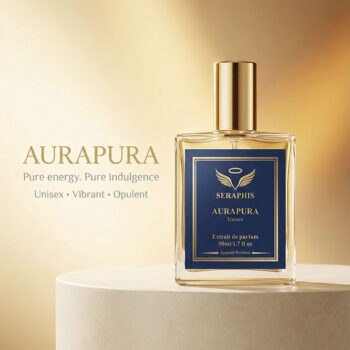
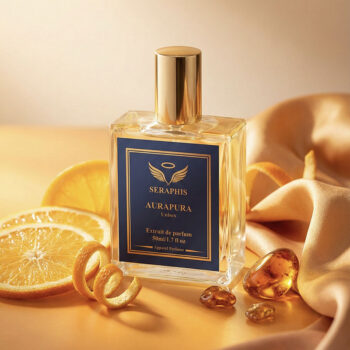
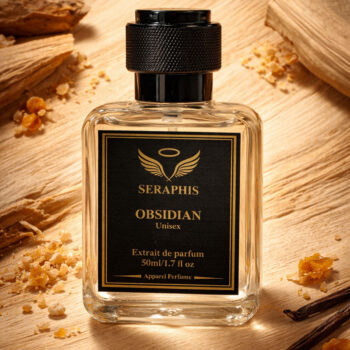
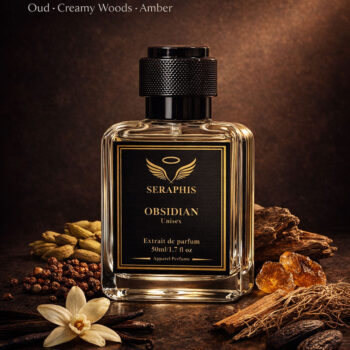
Trusted by Fragrance Lovers
Real experiences. Genuine reviews. Timeless fragrances.
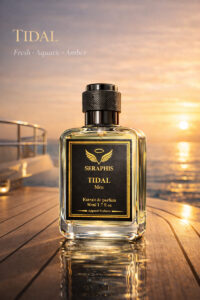
TIDAL
Clean and masculine
Clean and masculineVery clean masculine fragrance. The aquatic opening is bright and fresh, while the musk and driftwood make the dry down smoother.
— Nikhil Patil Shop Now
AURAPURA
My new favourite
My new favouriteI have been reaching for AURAPURA quite often recently. It is bright, fun and still has enough depth for evenings.
— Sanya Kapoor Shop Now
AURAPURA
Bahut mast fragrance
Bahut mast fragranceMujhe iska fruity opening bahut pasand aaya. Thoda time ke baad amber aur musk ka warm feel aata hai, jo kaafi classy…
— Neha Verma Shop Now
AURAPURA
Kaafi premium lagta hai
Kaafi premium lagta haiOpening bahut juicy aur fresh hai. Dry down mein musk aur amber ke saath fragrance kaafi smooth aur premium lagta hai.
— Riya Kapoor Shop Now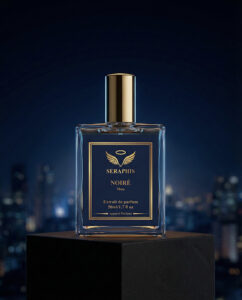
NOIRÉ
Good fragrance
Good fragranceI really like the scent profile. For my skin the projection becomes fairly soft after a few hours, but it is still a…
— Nikhil Bansal Shop Now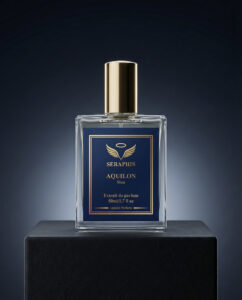
AQUILON
Very polished fragrance
Very polished fragranceThe combination of citrus, incense and woods gives AQUILON a very polished character. It is one of those perfumes that makes you…
— Arjun Sethi Shop Now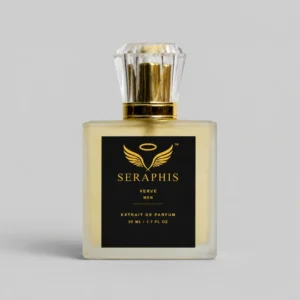
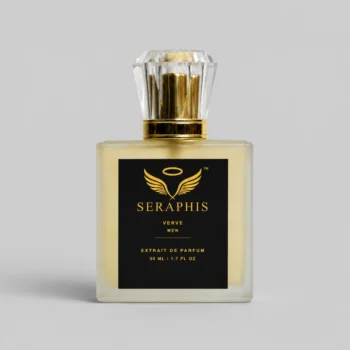
VERVE
Pleasant scent
Pleasant scentVery pleasant and fresh fragrance. On my skin I get moderate longevity, although it lasts longer on clothes.
— Sahil Arora Shop Now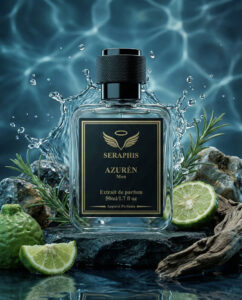
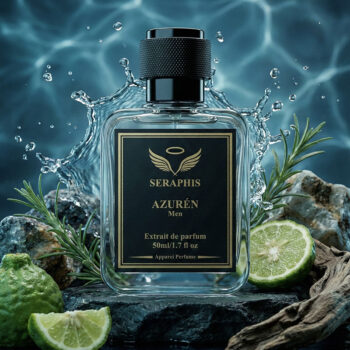
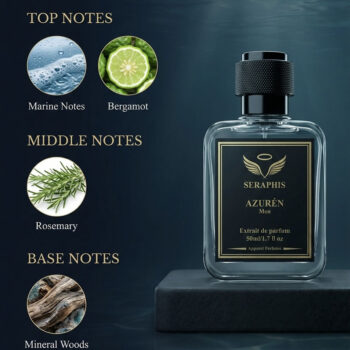
AZURÉN
My daily fragrance
My daily fragranceI have been reaching for AZURÉN almost every day. It is fresh enough for daytime and still works for evening plans.
— Mohit Saxena Shop NowEverything You Need to Know
A quick guide to fragrance concentrations, wearing, layering, and care — so every spray counts.